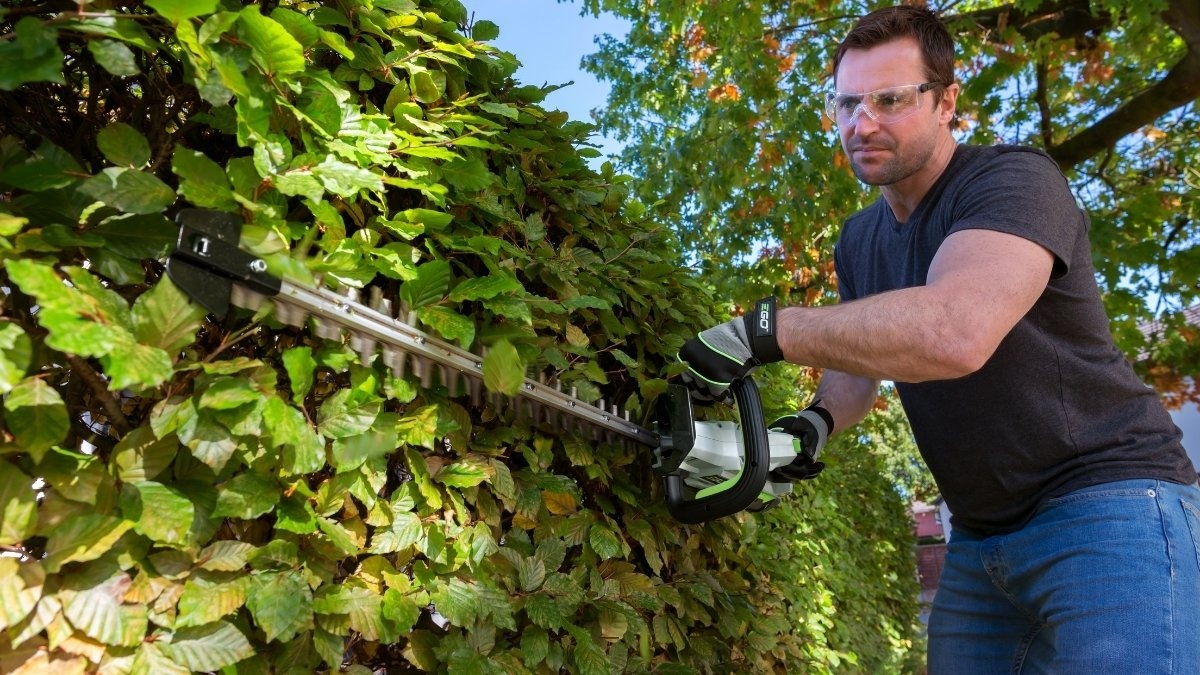
Hedges are typically considered visually appealing barriers that help increase privacy levels as well as provide definition for the area outside. Nevertheless, their maintenance goes beyond just trimming them when they become unappealing to look at. Inadequate tree hedging techniques can weaken plants, alter their growth patterns, and make them more susceptible to illnesses and pests. Homeowners can maintain the health and aesthetics of their landscapes by being aware of the most frequent errors.
Trimming at the Wrong Time of Year
The most common mistake made is to hedge without taking into consideration the growth cycle of the plant. Pruning when the plants are in a growth phase, as well as during inclement weather, causes undue stress for the shrubs and trees.
Adapting pruning techniques to species-specific needs promotes better regeneration and consistent performance all year round.
Over-Pruning the Hedge
Most people think that if you prune off many parts of the hedge, you are sure to see more growth. However, pruning off more than necessary can be the opposite of what you expect.
Leaves are very important for producing food through photosynthesis. Pruning off too many leaves means the plant will lack the ability to produce enough energy to recover from the cuttings.
Ignoring the Natural Shape
Making the hedges look completely even may lead to complications in some cases. Various hedges grow differently, and neglecting this aspect may cause structural weaknesses.
Having a hedge look like its species is more desirable. The best option is for the sides to be slightly thinner, while the base should not be narrower than the top; this will ensure good light exposure for all lower branches.
Using Poorly Maintained Tools
Sharpness and cleanliness of the tools used during pruning help avoid rough wounds which are likely to lead to infections. Injured stems take more time to heal and can become targets for pests and fungi.
It is important to note that keeping tools clean and sharp is a very important part of hedge care. Some simple steps will definitely improve their condition.
Neglecting Signs of Stress or Disease
The appearance of hedges and shrubs may show you that there is something wrong. Leaves that have lost their colour, die-back symptoms, spots on leaves, or weak growth should not be disregarded.
It is important to address these issues as soon as possible since they can develop into serious problems if left untreated.
Failing to Consider Long-Term Growth
When hedges are planted without taking into consideration their mature size, vigorous pruning is frequently the result. The vitality of overcrowded hedges may be diminished by competition for light, nutrients, and moisture.
Studying a species’ anticipated development rate and final size enables more efficient long-term management and reduces maintenance issues in the future.
Why Professional Advice Matters
In cases where the hedges have grown too much, gotten diseases, or have become hard to take care of, it may help to ask experts about what should be done. Companies like MD Tree Work usually promote proper pruning methods and preventive plant maintenance, which reflect optimal measures to ensure tree and shrub well-being.
Conclusion
Hedges need proper planning, regular care, and knowledge on how various hedge plants react to trimming. One can increase their lifespan by not making mistakes like trimming at the wrong times, cutting too much, and failing to identify any disease on them. Properly practicing tree hedging will go a long way in making sure that one’s yard remains beautiful and that the health of plants is maintained.