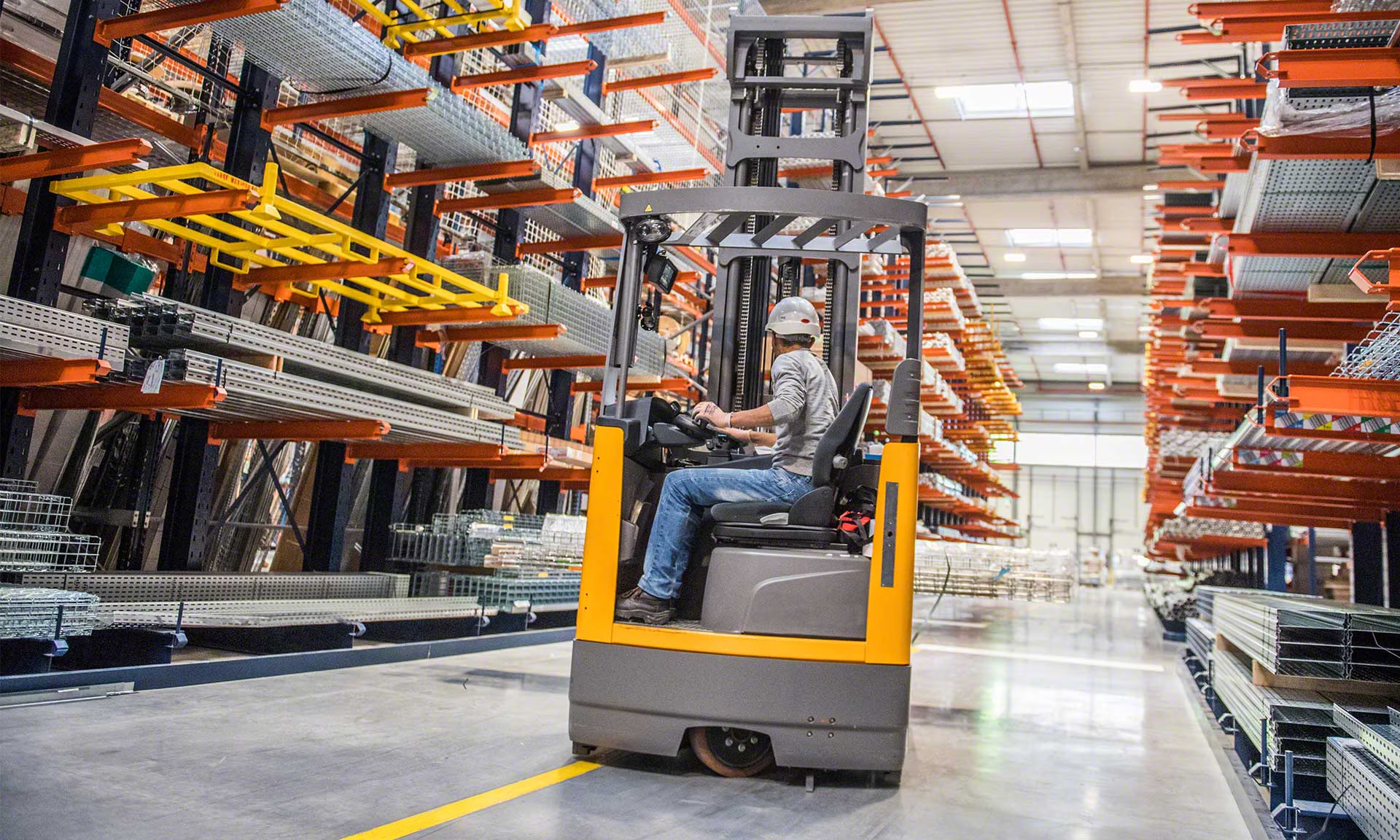
Moving a warehouse is a complex undertaking because a business is not simply relocating furniture and boxes. Warehouses can contain valuable inventory, machinery, shelving, tools, electronics, and specialised equipment that must reach the new facility safely. Even a small mistake during packing or transportation can lead to damaged goods, misplaced stock, or unnecessary interruptions to normal operations.
Careful planning is therefore essential. Businesses that organise the relocation in stages and work with experienced warehouse removalists can create a more controlled moving process while protecting valuable assets from the moment packing begins until the new warehouse is operational.
Begin With A Detailed Inventory
Before anything is packed, businesses should have a clear understanding of what needs to be moved. Creating an inventory helps identify stock, machinery, office equipment, tools, shelving components, and other important assets.
Inventory records can also be used to determine which items require additional protection. Fragile products, sensitive electronics, expensive machinery, and awkwardly shaped equipment may require different packing or handling methods.
This preparation also provides an opportunity to identify outdated, damaged, or unnecessary items. Moving products or equipment that the business no longer needs creates extra work and takes up valuable space at the new facility.
Use Suitable Packing Materials
Warehouse inventory varies significantly in size, weight, and durability, so using the same packing method for everything is rarely practical. Strong cartons may work well for smaller products, while fragile items could require additional cushioning or protective wrapping.
Machinery and larger equipment may need heavy-duty protection to prevent scratches, impacts, and exposure to dirt during transportation. Loose components should be secured so they cannot shift or become detached while being moved.
Clear labelling is equally important. Each container should indicate what it contains and where it belongs in the new warehouse. When appropriate, handling instructions can also be added for fragile, heavy, or sensitive items.
Create A Logical Moving Sequence
The order in which stock and equipment leave the warehouse can make a significant difference. Randomly loading items may create confusion when everything arrives at the destination.
Instead, businesses can divide the warehouse into zones and move each section according to a planned sequence. Items needed immediately at the new location may be loaded in a way that allows them to be accessed quickly upon arrival.
A structured sequence also makes it easier to monitor inventory throughout the relocation. Employees can confirm that each section has been cleared before moving to the next area.
Give Machinery Special Attention
Warehouse machinery often represents a significant business investment and may require careful preparation before transportation. Equipment should be shut down correctly, disconnected where necessary, and prepared according to relevant manufacturer instructions.
Removable parts can be packed separately and clearly identified. Cables, accessories, and controls should remain organised so that equipment can be reassembled efficiently at the destination.
The physical route out of the existing warehouse should also be assessed beforehand. Doorways, loading areas, corridors, and other access points need sufficient clearance for bulky equipment. Planning these details early can reduce unnecessary handling on moving day.

Keep Stock Organised During Transportation
Protecting inventory involves more than preventing physical damage. Businesses must also reduce the possibility of stock becoming mixed, misplaced, or difficult to locate.
Using a consistent labelling system can help maintain organisation throughout the move. Labels might identify departments, product categories, warehouse zones, or storage locations. A corresponding inventory list allows the team to check items as they leave one facility and arrive at another.
Keeping related items together can also make unpacking faster. Rather than searching through multiple loads for products belonging to one section, teams can rebuild individual warehouse zones in a more systematic manner.
Prepare The New Warehouse Before Arrival
Protection does not end when the moving vehicle reaches the destination. The new warehouse should be ready to receive stock and equipment before unloading begins.
Storage zones, shelving locations, machinery positions, and access routes should be planned in advance. Floors and loading areas should be clear of obstacles, while appropriate space should be reserved for larger equipment.
A well-prepared destination reduces the amount of temporary handling required. Stock can move more directly from transportation into its intended storage location rather than being repeatedly shifted around the facility.
Communicate Responsibilities Clearly
Warehouse relocations often involve managers, employees, drivers, technicians, and moving professionals. Everyone should understand their responsibilities before the relocation starts.
A clear plan can establish who is responsible for inventory checks, labelling, machinery preparation, loading supervision, and final inspections. Good communication also makes it easier to respond quickly if unexpected issues arise.
Complete Final Checks
Once the move is finished, inventory should be checked against existing records. Machinery and equipment can then be inspected before being returned to regular operation.
A warehouse relocation becomes much easier to manage when protection, organisation, and sequencing are considered from the beginning. With appropriate packing, careful inventory management, clear communication, and a properly prepared destination, businesses can protect valuable stock and equipment while creating a smoother transition into their new warehouse.