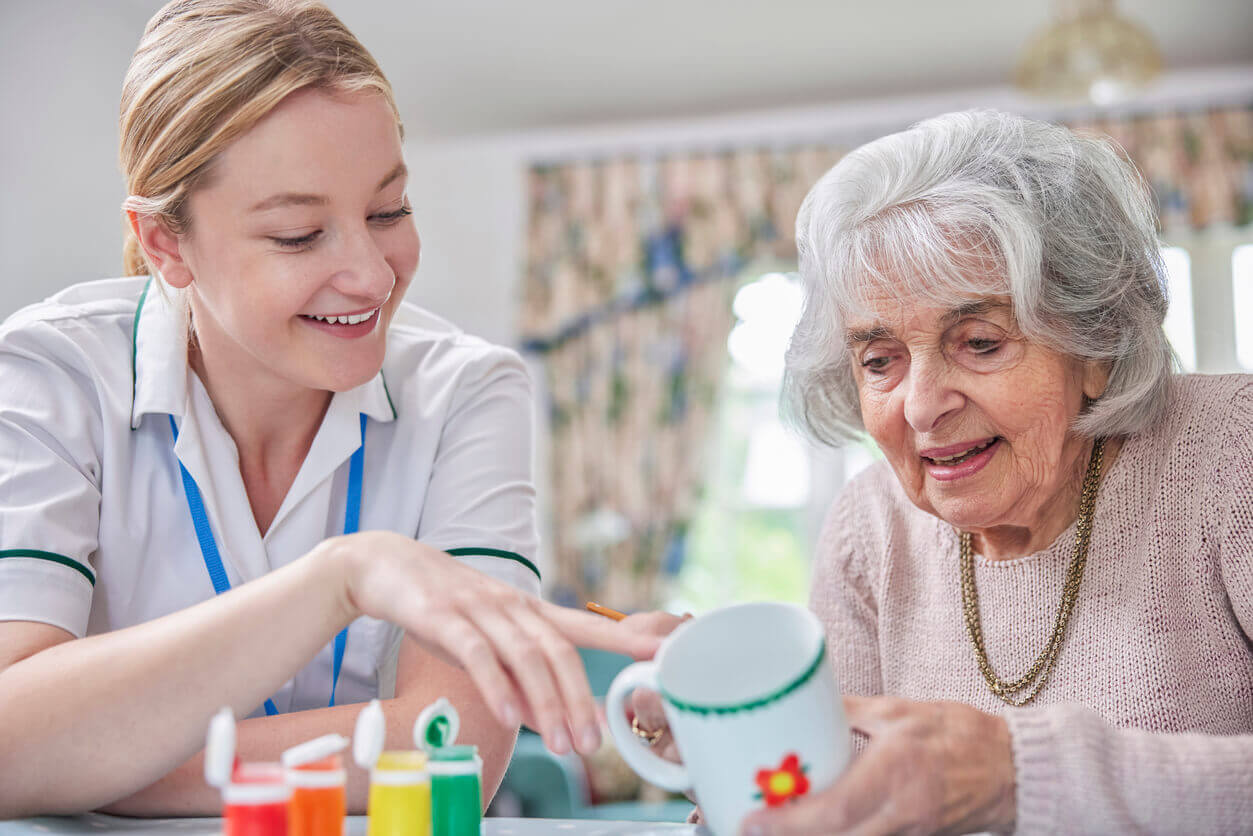
As you get older you might notice changes that affect how you get around, do the housework or look after yourself from day to day. Tasks that were once completely normal — such as making a meal, showering, dressing or even standing up from a chair — can gradually become a great deal more challenging. Occupational therapy helps older people to cope with these changes and maintain their independence, confidence and place in everyday life.
In Australia, in-home aged care can include occupational therapy as part of a broader support plan designed to help people stay independent for as long as possible. The current Support at Home program actually recognises occupational therapy, equipment, and home modifications as genuinely important forms of support for eligible older Australians.
What Does Occupational Therapy Actually Look Like in Aged Care?
Occupational therapy is really about helping people participate safely and effectively in the everyday activities that matter to them. For the elderly, that usually means evaluating physical capacity, cognitive problems, daily activities and the physical environment where all this daily stuff happens.
An occupational therapy aged care assessment may consider things such as dressing, showering, food preparation, moving around the house, using the bathroom or managing the general rhythm of a household. It is not just the inability to do something, it is about finding practical ways to make those things easier again.
An occupational therapist might suggest changes to the home, to daily routines, to the way that tasks are done or to assistive equipment. The recommendations are usually customized to the individual’s actual abilities, goals and specific circumstances rather than a one-size-fits-all approach.
Why a Home Assessment Genuinely Matters
Someone’s actual home can reveal challenges you’d never spot in a clinic setting. Furniture placement, bathroom layout, stairs, lighting, floor surfaces, narrow hallways — all of it affects how safely a person can actually move around their own space.
During a home assessment, an occupational therapist gets to watch how everyday activities are really being performed, in the actual environment they happen in. Research published in the Australian Occupational Therapy Journal points to the real value of home assessments and interventions in improving safety and independence for older adults. Common recommendations tend to include better lighting, clearing away trip hazards, grab rails, ramps, and just decluttering in general.
This hands-on approach means recommendations connect directly to a person’s actual surroundings, instead of relying purely on some generic checklist.
What an Occupational Therapist at Home Actually Does
An occupational therapist at home works with an older person to really understand their daily routine and spot where a bit of extra support could genuinely help.
Someone struggling in the bathroom, for instance, might benefit from a shower chair or grab rails. Someone else having trouble getting around the house might need advice on furniture placement, walking routes, or the right mobility equipment for their situation.
Occupational therapists can also guide family members and carers along the way — showing safer ways to help with everyday tasks, or explaining exactly how a piece of equipment should actually be used.
The whole goal here is encouraging the highest level of independence that’s actually practical, while still recognising the moments when help genuinely is needed.
Home Modifications and Assistive Equipment
Sometimes small changes to the environment make a genuinely big difference to everyday safety. Depending on what an assessment turns up, recommendations might include bathroom grab rails, shower equipment, ramps, better lighting, non-slip surfaces, or other accessibility tweaks.
The Australian Government’s Assistive Technology and Home Modifications scheme gives eligible people access to equipment and home changes meant to make everyday tasks safer and support continued independence. That can cover things like walking aids, shower chairs, toileting supports, and other products that help with daily activities.
It’s worth pointing out — equipment should really be chosen based on someone’s actual needs, not just picked because it looks generally useful. A proper professional assessment helps figure out whether a particular item’s actually appropriate, and how it should be positioned or used correctly.
Helping Prevent Falls
Falls can seriously knock an older person’s confidence and independence. A fall might cause a physical injury, sure, but even without one, the fear of falling again can make someone start avoiding activities they used to genuinely enjoy.
Occupational therapy plays a real role in fall prevention by spotting environmental risks and suggesting practical fixes — clearing obstacles, improving lighting, making the bathroom safer, recommending the right equipment for the situation.
Fall prevention tends to work best when it looks at several factors together rather than fixating on just one hazard. Physical ability, daily habits, medication, footwear, mobility, and the home environment all feed into the overall risk picture.
Encouraging Independence in Everyday Life
Independence does not mean doing everything by yourself. It is more about having the right strategies, equipment and support in place to engage in everyday activities as safely as possible.
An occupational therapist might teach a different technique for a familiar task. Someone with reduced strength, for instance, might learn a new way to get out of a chair, while someone struggling with dressing might benefit from adaptive techniques or equipment built for exactly that purpose.
That focus on genuine, practical participation helps older adults hold onto the routines that actually matter to them personally.
Where Occupational Therapy Fits Into Aged Care Overall
Occupational therapy can be one piece of a bigger aged care plan, alongside nursing, physiotherapy, exercise physiology, personal care, and other services. What combination actually makes sense depends entirely on the person’s own circumstances and assessed needs.
Under Australia’s Support at Home program, occupational therapy is one of the clinical supports that may be available, while assistive technology and home modifications offer additional ways to improve accessibility and independence on top of that.
For families, understanding what occupational therapy actually does can make it a lot easier to recognise when a professional assessment might genuinely help. Changes in mobility, repeated struggles with everyday tasks, less confidence around the house, or general safety concerns are all good reasons to look into getting an assessment.
A Genuinely Practical Approach to Ageing at Home
At its core, occupational therapy in aged care is about helping people live as independently and safely as possible within the spaces that actually matter to them. Rather than fixating purely on a medical condition, occupational therapists look at how that condition actually plays out in someone’s everyday life.
With the right assessment, practical strategies, suitable equipment, and thoughtfully planned home modifications, plenty of older adults can keep taking part in daily life with a lot more confidence. Home-based occupational therapy is really an important piece of the bigger picture — supporting independence, dignity, and quality of life as people get older.