Ask someone what an auction looks like and they’ll describe the same scene. A packed room, an auctioneer talking fast, paddles going up, someone winning a painting for way more than expected. That image is decades old at this point, and it’s not really how most serious buying and selling happens anymore.
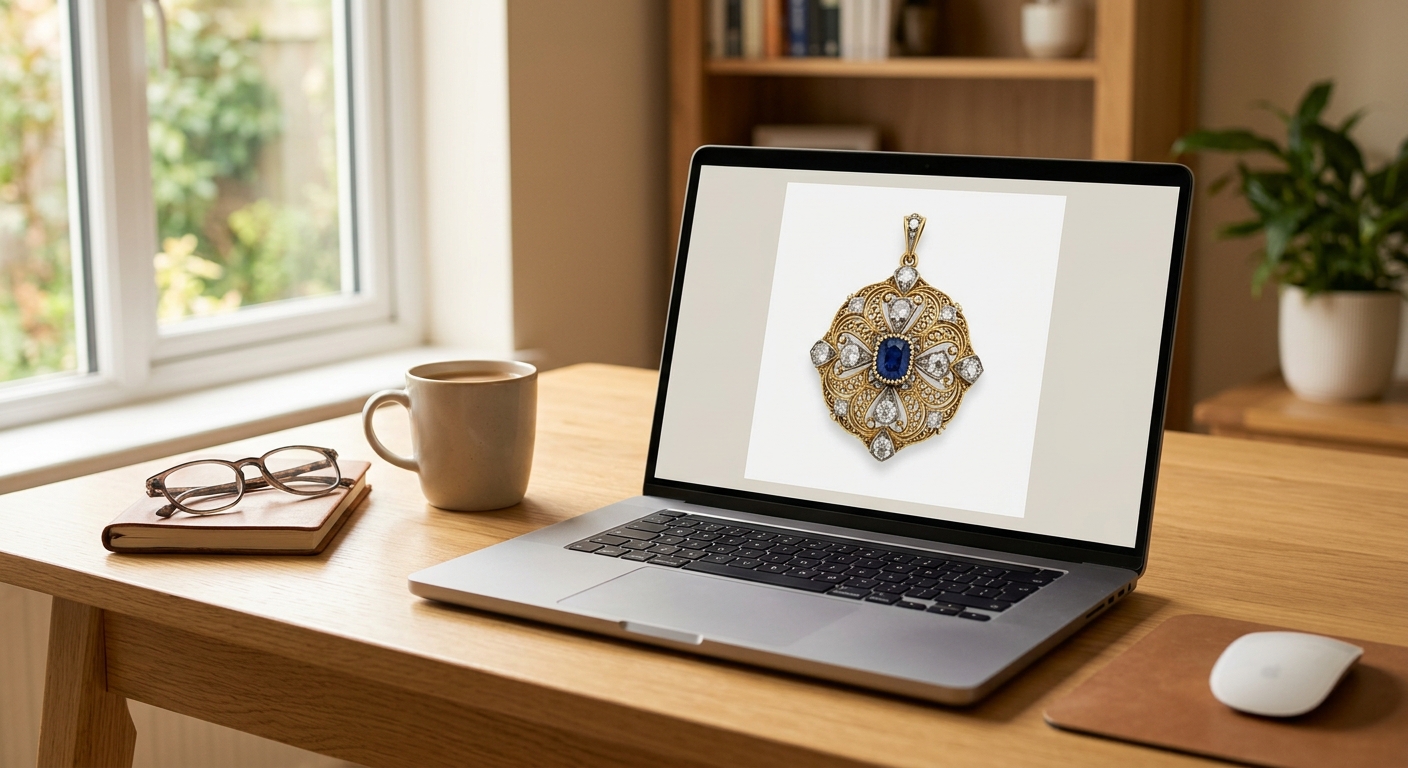
A growing share of genuine, high-value sales now happen through online auctions Australia has access to, without anyone needing to set foot in a saleroom at all.
Why the Old Assumption Sticks Around
There’s a lingering idea that online auctions are somehow lesser, a discount version of the real thing, better suited to clearing out garage sale items than anything of genuine value. That reputation comes from early online auction platforms, which were exactly that. Serious auction houses running proper online sales now are a different proposition entirely, with the same authentication, provenance research, and expert cataloguing that’s always defined a reputable auction house.
What Actually Changes With Online Format
Distance stops being a barrier, which matters more than people initially assume. A bidder in another state, or overseas entirely, can compete for a piece exactly as easily as someone sitting in the room would have decades ago. That widens the buyer pool considerably, which tends to work in a seller’s favour, more genuine interest competing for the same item rather than whoever happened to be free that Tuesday afternoon.
A few things that shift once bidding moves online:
- Bidders can research, photograph, and reference pieces at their own pace rather than a few rushed minutes before the room fills
- Absentee and timed bidding formats remove the pressure of needing to be present at a specific moment
- A wider geographic pool of bidders competing for the same item
- Full condition reports and high-resolution imagery available well before bidding opens
The Trust Question That Actually Matters
The real distinction isn’t online versus in-room. It’s whether the house running the sale has the expertise to authenticate and value what’s being sold properly. Even major museums note that provenance gaps are common and require real due diligence to work through, not just a signed certificate taken at face value. A reputable auction house brings that same level of scrutiny to an online catalogue that it would to any in-room sale.
Selling Through an Online Format
For sellers, online auctions often mean a longer bidding window than a single afternoon in a room, which gives serious buyers more time to research and commit rather than deciding on the spot. It also means the sale isn’t limited to whoever happened to show up that day, a meaningfully larger pool of genuine interest working in the seller’s favour.
Worth Reconsidering the Old Picture
Anyone still picturing auctions as strictly an in-room, paddle-raising event is working from an outdated image of how the serious end of the market actually operates now. The paddles and the room still exist for some sales, but a substantial share of genuine, well-researched bidding now happens well before or entirely without anyone being in a physical room at all.
