Nobody plans for grief, but the decisions that follow a death require immediate attention regardless of how prepared a family feels. In Sydney, navigating the funeral industry while managing loss is a reality thousands of families face every year, and the gap between what people expect the process to involve and what it actually requires is often significant. Understanding what funeral directors Sydney professionals do, how cremation is priced, and what families can reasonably expect at each stage removes some of that burden at the moment it matters most.
Why This Topic Matters More Than Most People Realise
Death is one of the few life events that combines profound emotional weight with immediate, time-sensitive financial and logistical decisions. In Sydney, where the cost of living is high and the funeral industry operates across a wide range of service models and price points, families who approach these decisions without context frequently pay more than necessary or make choices they later regret.
The funeral directors Sydney market includes large corporate operators, family-owned independent businesses, and newer direct cremation providers that have entered the market specifically to offer lower-cost alternatives to traditional full-service funerals. Each operates differently, prices differently, and serves different needs. Without a basic understanding of how the industry is structured, it is difficult to evaluate whether a quoted price represents fair value or a significant premium.
Cremation has become the most common choice for Sydney families, a shift that has been building for over a decade and reflects both cultural change and economic reality. Understanding cremation cost Sydney structures, what drives price variation, and what is included or excluded in different packages is now practical knowledge that most Sydney families will need at some point.
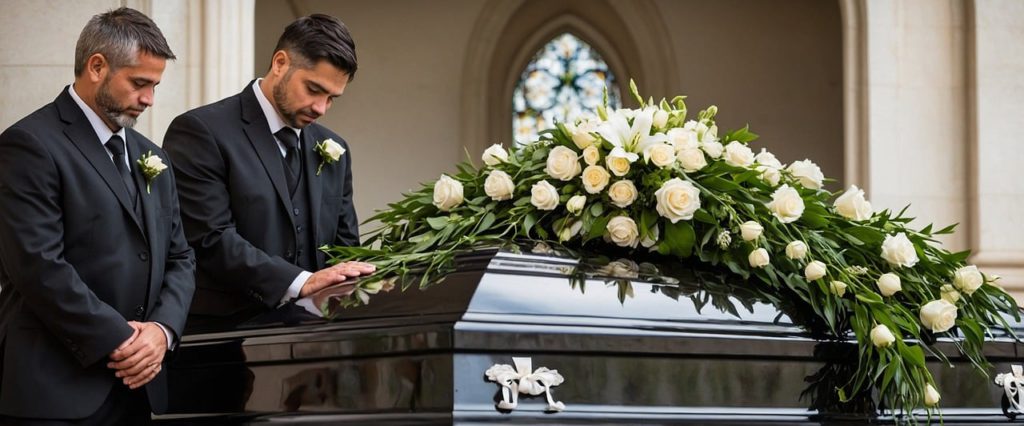
How the Funeral Industry Actually Works in Sydney
The funeral process in Sydney involves several distinct components that are often bundled together by funeral directors but can, in some cases, be separated. Understanding what each component involves and what it costs independently gives families a clearer picture of what they are paying for.
The funeral director’s core role is to manage the logistical and administrative process that follows a death. This includes collecting the deceased from the place of death, whether that is a hospital, aged care facility, or private residence, preparing the body according to the family’s instructions and the chosen service type, handling the paperwork required by NSW law including the death certificate process, coordinating with crematoriums or cemeteries, and managing the service itself if one is being held.
The crematorium is a separate entity from the funeral director in most cases. The funeral director arranges the cremation on the family’s behalf and charges for that coordination as part of their service fee, while the crematorium charges its own facility fee. This distinction matters because the funeral director’s margin on the cremation component varies, and it is one of the areas where price comparison across providers can reveal significant differences.
What Drives Cremation Cost Variation in Sydney
The cremation cost Sydney landscape is wider than most families expect. At the lower end, direct cremation services, which involve no viewing, no formal service, and minimal ceremony, are available from approximately $1,500 to $2,500 through providers who have entered the market specifically to serve families seeking a dignified but minimal option. At the upper end, full-service cremation with a viewing, a funeral ceremony at a chapel, a death notice, flowers, and a premium urn can reach $10,000 to $15,000 or more through full-service funeral homes.
The middle of the market, which represents the majority of cremations in Sydney, typically falls between $3,500 and $7,000 depending on the level of service, the crematorium used, the type of urn or memorial product selected, and the geographic location within greater Sydney, where transport distances affect costs for families in outer suburbs.
What Families Actually Experience in Practice
A family in Sydney whose parent passes in a private hospital will typically receive a call from the hospital within hours of the death, at which point they need to nominate a funeral director. This decision is often made under time pressure and emotional stress, which is precisely the condition least conducive to informed comparison.
Families who have discussed preferences in advance, even informally, are significantly better positioned at this moment. Knowing whether the deceased preferred burial or cremation, whether a formal service was wanted, and roughly what level of expenditure was appropriate eliminates the hardest decisions from an already difficult conversation.
For families choosing cremation, the process from collection to the return of ashes typically takes between five and ten business days in Sydney, depending on the crematorium’s current schedule and the completeness of the required documentation. Medical certificates and cremation authorisation paperwork must be completed before cremation can proceed, and delays in that documentation affect the timeline.
Families choosing a direct cremation, where no viewing or service is involved, often find the process straightforward and the interaction with the funeral director relatively minimal. The simplicity is the point. For families who want to hold a separate memorial service at a time and location of their choosing, after the cremation has been completed, direct cremation provides that flexibility at a substantially lower cost than a traditional service-integrated cremation.
What Families Get Wrong When Engaging Funeral Directors
The most consequential mistake is accepting the first quote received without comparison. The funeral industry in Sydney operates on the assumption that most families will not shop around, and pricing reflects that assumption. A 2019 Australian Competition and Consumer Commission report on the funeral industry found significant price opacity and variation across providers, noting that the industry’s structure made it difficult for consumers to make informed comparisons at the point of need.
The second issue is not asking for an itemised quote. Funeral directors are required under NSW Fair Trading guidelines to provide itemised pricing on request, and comparing itemised quotes across two or three providers reveals where the substantive cost differences lie. Bundled package pricing obscures these differences and makes it harder to identify which components represent fair value and which carry a significant margin.
Families also frequently overlook government assistance options. The NSW Government provides a funeral assistance payment through Service NSW for eligible families who cannot meet the cost of a basic funeral, and Centrelink provides a bereavement payment that can partially offset funeral costs for families receiving certain benefits. These options are not proactively communicated by most funeral directors.
Pre-planning and pre-paying for a funeral can lock in current pricing and remove the decision burden from family members, but it carries its own risks if the provider goes out of business before the funeral is needed. NSW has regulatory protections for pre-paid funeral funds, but understanding those protections before committing to a prepayment arrangement is basic due diligence.
Finding the Right Funeral Directors and Understanding Cremation Costs in Sydney
The families who navigate this process most effectively are those who treat the engagement of a funeral director as a service procurement decision as well as an emotional one. That means requesting itemised quotes, understanding what is and is not included in any package price, and being clear about what level of service genuinely serves the family’s needs rather than defaulting to a more expensive option because the circumstances make it difficult to ask questions.
Funeral directors Sydney providers vary significantly in their approach to pricing transparency, their willingness to discuss options at different price points, and the quality of their communication with families through the process. A funeral director who provides clear, itemised information without pressure is demonstrating the kind of professional standard that the process deserves. The cremation cost Sydney comparison across providers is a practical step that most families can take in advance of need, simply by requesting quotes from two or three providers before a death occurs, which removes the time pressure from the comparison entirely.
How the Sydney Funeral Industry Is Changing
The entry of direct cremation providers into the Sydney market over the past decade has changed the pricing dynamic for the whole industry. Traditional full-service funeral homes have had to become more transparent about pricing and more flexible about service options in response to competition from lower-cost providers, which has generally benefited consumers.
The trend toward personalised, non-traditional funeral services is also reshaping what funeral directors offer. Families increasingly want services that reflect the individual rather than a standard format, and funeral directors who can facilitate that flexibility are capturing a growing portion of the market. Outdoor services, celebration-of-life formats, and services incorporating multimedia elements are all more common than they were a decade ago.
Digital death notices and online memorial platforms have reduced one of the traditional cost components of Sydney funerals, while simultaneously expanding the reach of memorial communications beyond the immediate geographic community. These shifts are incremental but collectively represent a meaningful change in what a Sydney funeral looks like and what it costs.
The practical knowledge that makes the funeral process manageable is not complex, but it is rarely communicated to families before they need it. Knowing how funeral directors Sydney professionals are compensated, how cremation cost Sydney structures work, and what questions to ask before signing anything puts families in a position to make decisions that reflect their actual needs and financial circumstances rather than the path of least resistance at a moment of genuine distress. That knowledge, gathered in advance, is one of the more practical things anyone can do for the people they will eventually leave behind.